Oil Near $115 as Iran Says War Will Not Change Its Policy
Tehran insists its diplomatic and strategic positions remain fixed despite U.S. threats of renewed strikes and rising global energy prices.
By George Parker ·
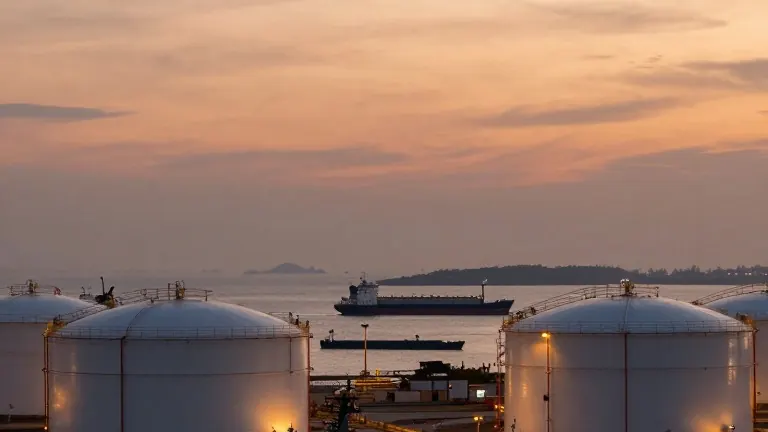
Iranian officials declared on Sunday that their government’s strategy will remain static regardless of whether President Donald Trump resumes military operations. This assurance came as Brent crude oil prices hovered near $115 per barrel in early Monday trading, reflecting persistent anxiety in energy markets.
The tension escalated following Trump’s interview with Fox News, where he stated he must decide between finishing the conflict or making a deal. He referenced the joint U.S.-Israeli campaign that began on Feb. 28, suggesting a new operation called "Epic Fury" could occur. Trump also asserted control over the Strait of Hormuz and criticized the 2015 nuclear deal, a position he reiterated while accusing Tehran of fabricating tanker attacks to inflate prices before the elections.
Iranian Foreign Minister Abbas Araghchi addressed a televised audience in Tehran, asserting that the prospect of war has not altered his cabinet's thinking. He stated, "Whether there is war or not, our policies remain the same," and added that previous attempts by Washington and Israel had already failed to change outcomes. Spokesperson Esmaeil Baqaei confirmed that indirect communication channels with the U.S. are still open, even though direct negotiations have stalled for weeks.
Speculation regarding a new U.S. strike has intensified ahead of the midterm elections scheduled for next Tuesday. American military presence in the region has increased with the arrival of a third aircraft carrier group, although diplomatic staffing levels have decreased. Analysts and officials note that these movements suggest preparation for potential action following the electoral results.
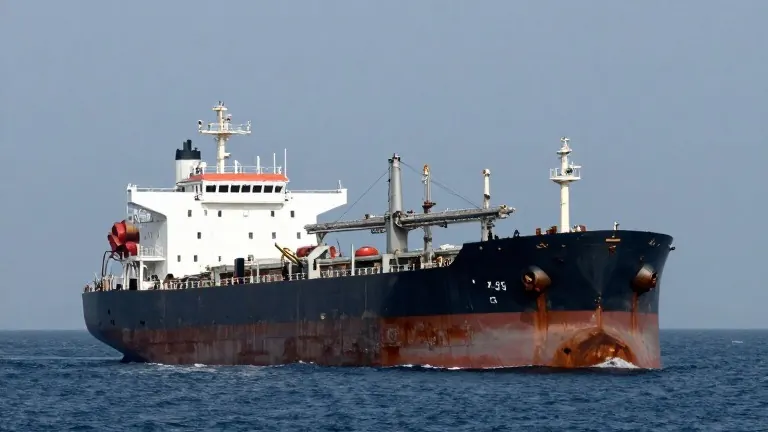
Supply concerns in the energy sector are compounded by physical disruptions. The U.K. Maritime Trade Operations center reported that a tanker exiting the Strait of Hormuz was hit by an unknown projectile on Friday, rendering the vessel disabled though the crew remained safe. Iran previously claimed to have struck four tankers near the strait on Thursday, a claim Trump disputed.
Regional mediators are moving to stabilize the situation. Saudi Defense Minister Khalid bin Salman, Pakistani General Asim Munir, and Turkish intelligence chief Ibrahim Kalin arrived in Tehran on Monday for security discussions with Iranian officials, including Mohsen Rezaei. Saudi Deputy Minister Rayed Krimly described the visit as a support for de-escalation and mediation efforts led by Qatar and Pakistan, following eight months of regional conflict.
Violence continued in Yemen, where the Saudi-led coalition intercepted a Houthi ballistic missile aimed at Riyadh. The Houthis claimed they hit the capital’s international airport and oil pumping stations, adding pressure after earlier attacks this month forced the closure of the airport for two weeks and delayed a major Saudi investment conference until 2027.
Source: CBS News