Campus Recruiting: Faculty Step In as Admissions Offices Shift Tone
Colleges are enlisting professors to meet with applicants, a move driven by falling enrollment numbers and a desire to appear more welcoming to students.
By George Parker ·
Alex Zaret, 17, described the college admissions process as overwhelming while touring Skidmore College in Saratoga Springs, New York. He was on his fourth visit, with six more schools on his list. His father, Owen Zaret, noted that the effort has become a full-time job for his family, adding to the workload of two working parents and an engaged high school senior. The Zarets observed a change in attitude during their year-long search. Owen Zaret said the process used to feel like an ivory tower approach where students were lucky to be there. Now, he says, the message is that colleges want them to be there.
Colleges are actively changing how they recruit to address a shortage of students. Marc Conner, Skidmore's president, stated that it is in everyone's interest to make the process open and friendly. This shift includes waiving application fees and offering financial aid incentives for campus visits. Public universities in 17 states now admit high school students without a formal application. More than 150 private colleges make direct admissions offers to students who use the Common App, a standardized application used by about 1,200 institutions. Consequently, the odds of acceptance are rising.
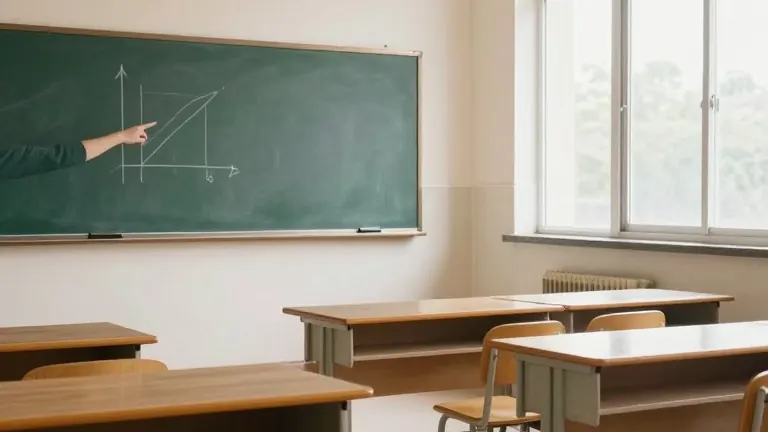
Skidmore and a few other institutions have started a new tactic: involving faculty in recruiting. Professors are now meeting with prospective and admitted students in labs and classrooms, a role previously reserved for admissions offices. Jess Ricker, Skidmore's vice president for enrollment, said this helps students feel seen and valued. It also helps distinguish the school from others on students' lists.
Admissions leaders face increasing pressure. A Niche survey found that two-thirds of them struggled to meet enrollment targets in the last two years, and 97% expect competition to grow. The Western Interstate Commission for Higher Education projects a 13% decline in the supply of traditional-age freshmen over the next 15 years. The share of high school graduates attending college dropped from 70% in 2016 to 63% in 2024, according to the Bureau of Labor Statistics.
Acceptance rates have increased, though many students do not realize it. Nearly 8 in 10 first-year applicants to public colleges and 7 in 10 to private institutions get in, up from 68% and 65% respectively a decade ago. Angel Pérez, CEO of the National Association for College Admission Counseling, blamed the public's misunderstanding on the focus on elite schools like Harvard and Stanford, which admit about 1 in 25 applicants. Only 33 colleges admit 10% or fewer of their undergraduate applicants.
The decline in yield, or the percentage of admitted students who actually enroll, has forced colleges to admit more students than they need. Federal data shows yield at private, nonprofit colleges fell from 24% in 2014 to 18% in 2024. This makes it harder to predict enrollment. Rob Springall, a consultant at WittKieffer, said enrollment leaders are telling staff that every interaction counts. Faculty at Washington College in Maryland now sit down with applicants on designated Fridays.
Getting faculty to participate has not always been smooth. Johnnie Johnson, Washington College's vice president for enrollment management, said some professors initially resisted, preferring to just teach. He countered by pointing out that student funding supports program budgets and raises. Johnson noted that faculty see colleagues at other schools who have faced cuts or closures. Skidmore, with 2,719 students, has seen its applications rise and its acceptance rate drop from 37% to 24% over the last decade. Last year, more than three-quarters of admitted students who visited the campus requested to sit in on a class or meet a faculty member, resulting in 300 personal visits.
Becca Johnson, chair of Skidmore's Psychology Department, meets with applicants and hears that the faculty contact makes a difference. She recalled a mother who said her student had applied to many schools and been accepted to several. The mother noted that the psychology professor was the first person from outside the admissions office to contact them, which was meaningful for their decision.
Source: WUWM