
Clocks Change: U.S. Falls Back to Standard Time This Sunday
The shift occurs at 2 a.m., extending sleep but reducing evening daylight until March 14.
By Amelia Foster ·
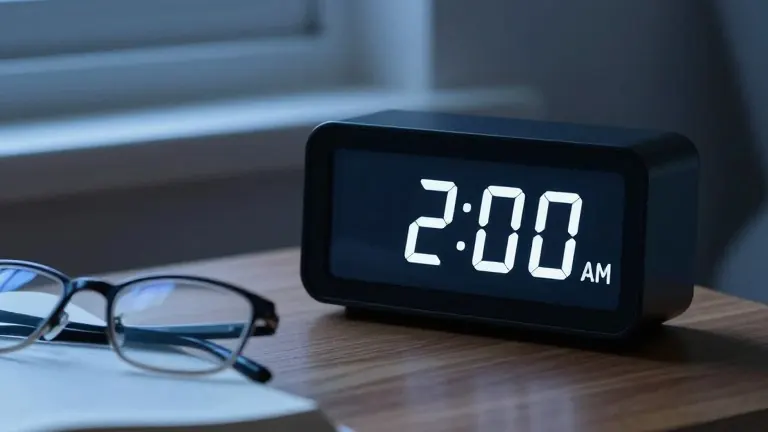
Americans will gain one hour of sleep this weekend as the country shifts back to standard time. The change takes place at 2 a.m. local time on Sunday, November 1, 2026. Residents are advised to set their clocks back an hour before retiring on Saturday night to capture the extra rest. This period of standard time will remain in effect until March 14, 2026, when clocks will spring forward again.
Health experts note that the transition aligns better with human biology than the previous schedule. The American Medical Association and the American Academy of Sleep Medicine have long advocated for year-round standard time. They argue that this schedule matches natural circadian rhythms, where brighter mornings and darker evenings help regulate sleep. Morning sunlight serves as a critical signal to the brain’s master clock, helping to synchronize alertness and drowsiness cycles.
Despite the extra hour in bed, the shift brings darker afternoons. This reduction in evening daylight can impact those who exercise or engage in outdoor activities after work or school. A poll from last year found that most Americans prefer keeping the extra hour of daylight in the evening if forced to choose between the two options. However, only 12% of American adults supported the current twice-a-year time change system, while nearly half opposed it.
The body requires time to adjust to the new schedule. Morning light exposure helps reset the circadian rhythm, which controls heart rate, blood pressure, and metabolism. Without sufficient morning light, melatonin levels may remain elevated, making it harder to wake up. Individuals with seasonal affective disorder may find the shorter days and reduced sunlight particularly challenging during this period.
Legislators are currently debating a permanent solution to the biannual switch. The U.S. House of Representatives passed the Sunshine Protection Act in July 2026, which would make daylight saving time permanent. President Donald Trump supports the measure and has publicly urged Senate opponents to vote in favor. Arkansas Sen. Tom Cotton, who opposes the bill, had his phone number shared by the president on social media to pressure for a vote.
Hawaii and most of Arizona do not observe daylight saving time and remain on standard time year-round. Most other countries do not change their clocks at all. For those adjusting this weekend, experts suggest shifting bedtimes by 15 minutes in the days leading up to the change to ease the transition. Getting outside for morning sun is the most effective way to help the body clock reset faster after the switch.
Source: WXXV 25