Alaska Governor Orders Probe Into Senate Ballot Confusion After New York Times Report
The investigation targets alleged Democratic efforts to recruit a second Dan Sullivan, a move that has intensified legal and political fights days before voters head to the polls.
By George Parker ·
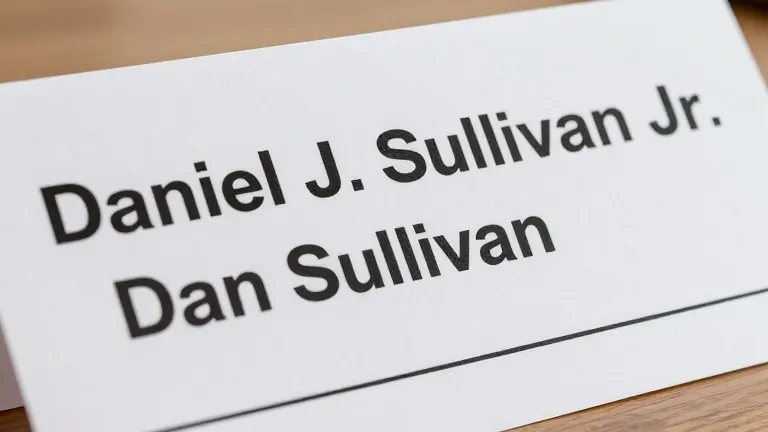
Alaska Governor Mike Dunleavy directed the Department of Public Safety on Wednesday night to investigate whether a scheme involving a second candidate named Dan Sullivan violated state law. The order comes three days before the general election, in which voters will select the next U.S. senator from a field that includes two men with the same name.
The probe was triggered by a New York Times report detailing efforts by Democratic campaign operatives to recruit the non-incumbent Sullivan. The story, based on interviews with attorneys and senior aides at the Democratic Senatorial Campaign Committee, suggests a coordinated strategy to place the challenger on the ballot. This move could confuse voters and draw support away from the Republican incumbent, Senator Dan Sullivan, who has held the seat since 2015.
Democrat Mary Peltola, a former congresswoman seeking to flip the seat, has denied involvement. She called the reporting a distraction while campaigning on Wednesday. Both the Peltola campaign and the DSCC reiterated their previous denials of the non-incumbent Sullivan's candidacy after the article published.
The non-incumbent Sullivan did not respond to requests for comment from Alaska Public Media. He has previously stated that running for office was his own decision. Republicans seized on the new information to attack the Peltola campaign. Nate Adams, a spokesperson for Senator Sullivan, said in a statement that Peltola and her team had spent months denying a scheme they were running all along.
President Donald Trump amplified the criticism in an online post, labeling the situation "Voter Fraud at the Highest Level." His administration had already moved to intervene in the race. Last week, the Justice Department asked a court to delay certification of the election result if the incumbent lost by a small margin, citing potential voter confusion from the duplicate names on the ballot.
Election law experts had broadly criticized that legal effort, noting that the Constitution grants states primary control over their elections. However, Justice Department officials said Thursday that the New York Times reporting expanded their options for investigation. The department filed an amended complaint citing the new details about the recruitment efforts.
State officials had previously probed the candidacies, but the Alaska Supreme Court ruled in June that the non-incumbent Sullivan could appear on the general election ballot. Elaine Kamarck, a senior fellow at the Brookings Institution and co-author of a book on campaign tactics, described the situation as standard fare in modern politics. She told NPR that the internet makes it easy to spread information about such tricks, which are common in efforts to boost third-party candidates.
Some Alaska residents compared the situation to recent Republican spending supporting a Democrat who is a federal prisoner in New York but appears on the U.S. House ballot. The second Sullivan advanced to the general election after Alaska's nonpartisan primary, which sends the top four vote-getters to the fall ballot. The ballot clearly notes which Sullivan is the Republican incumbent.
Experts point out that the high visibility of the dispute may reduce voter confusion. Additionally, Alaska uses a ranked-choice voting system in the general election. Under this method, voters could rank both Sullivans without ranking Peltola, potentially neutralizing the effect of the split vote. Voters will also decide whether to keep the state's unique election system in the same election.
Source: WFDD Public Radio