Federal judge halts Trump administration noncitizen voting plan
A temporary bar issued Monday allows states to process ballots under standard rules as the Postal Service adds staff to manage high mail volumes.
By Amelia Foster ·
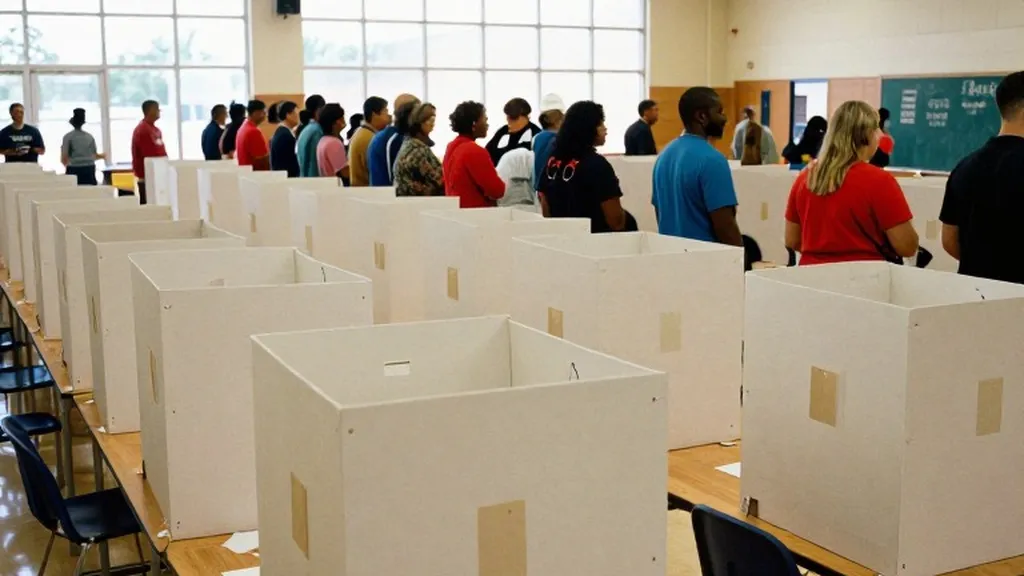
Federal courts intervened in the final hours before the midterm elections to pause a Trump administration initiative aimed at identifying noncitizens on voter rolls. A judge issued a temporary bar on Monday, stopping the federal government from enforcing its new verification measures during the election. This decision allows states to continue using their standard procedures for counting ballots without immediate federal interference.
The administration filed lawsuits in Alaska and California to push forward its plan. Officials argued the steps were necessary to prevent noncitizen voting, a claim they have made repeatedly. Critics, including Democratic officials and legal advocates, countered that the federal move risked disenfranchising eligible voters. They maintained that the action infringed on the traditional authority of states to determine who can vote in their jurisdictions.
In California, the legal dispute focused on how election officials should handle specific ballots. A judge ordered the administration to stop demanding that state officials segregate ballots cast by individuals on lists of suspected noncitizens. The state is using new congressional maps for this election, which adds complexity to the results. California relies heavily on mail voting, so the timing and method of counting drew intense scrutiny. Officials worked to ensure ballots were processed according to state law while following the federal court orders.
The U.S. Postal Service implemented additional logistical measures to support the election. The service added staff, extended operating hours, and set up special lines to ensure mail ballots were counted on time. This effort was critical in states where a large portion of the vote is cast by mail. The expanded operations were a practical response to the high volume of mail-in ballots expected this year.
Legal experts from both parties noted that these rulings could set precedents for future elections. They observed that the outcome of these lawsuits may define how federal and state powers interact in midterm cycles. The administration's strategy has been viewed by some as an attempt to tighten election rules, while opponents see it as a move to influence the outcome. This tension is expected to continue as results are tallied and potential challenges are filed.
Election officials in battleground states reported working through the weekend to prepare for the legal uncertainties. They stressed the need to follow court orders while maintaining the integrity of the count. The Associated Press described the election as a referendum on the president’s second term, with voters focused on high prices and economic concerns. The legal proceedings added a distinct layer of anxiety to the process.
Republicans and Democrats both pointed to the importance of turnout in the face of these challenges. RNC Chairman Joe Gruters stated that everything depends on turnout, emphasizing the plan to mobilize voters. DCCC Chair Rep. Suzan DelBene countered that the American people are angry and want change. Both sides acknowledged that the legal environment could impact how voters perceive the fairness of the process.
The temporary bar on the noncitizen voting plan allowed states to proceed with their standard procedures while the legal arguments continued. The ruling in California regarding the segregation of ballots was a key moment in the federal-state power struggle. These decisions are likely to be cited in future legal challenges and could influence the rules for the 2028 cycle. The combined effect of these legal and logistical factors shaped the day's events, creating a complex backdrop for the voters making their choices.
As polls remained open, the focus shifted to the practical aspects of counting and verifying results. The legal battles in Alaska and California were expected to continue, with both sides preparing for further litigation if necessary. The Postal Service's efforts to ensure timely delivery and processing of mail ballots were a critical component of the preparation. The focus remained on ensuring that every eligible vote was counted and that the results were clear.
Source: Associated Press, Reuters, Ballotpedia
More Politics · National news · Report a business · Got a Story?