Palm Harbor Voters Tackle House Map Changes in 2026 Midterms
Pinellas County residents face new district boundaries and a governor's race as the nation seeks to determine which party controls Congress for the final two years of the Trump administration.
By George Parker ·
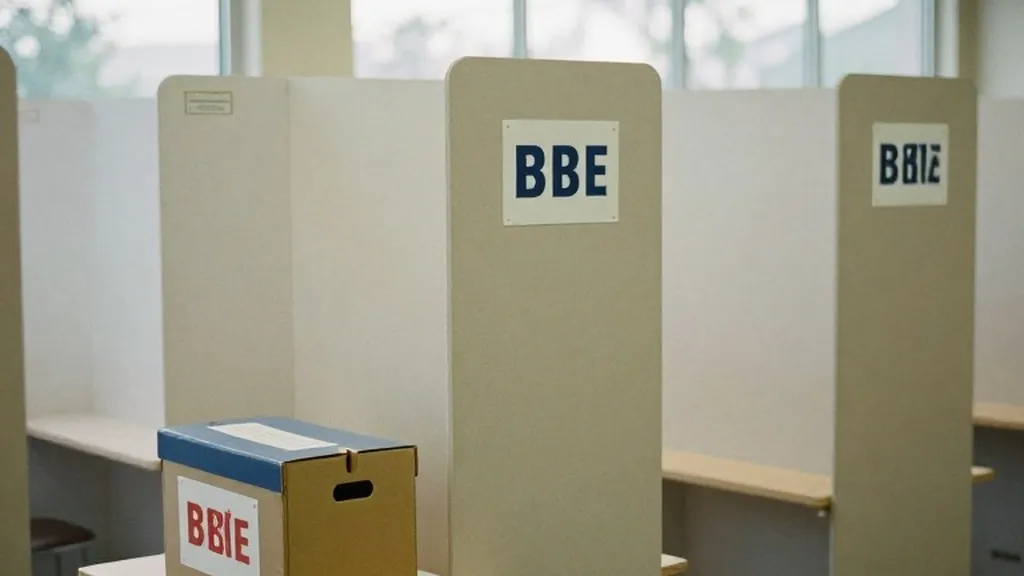
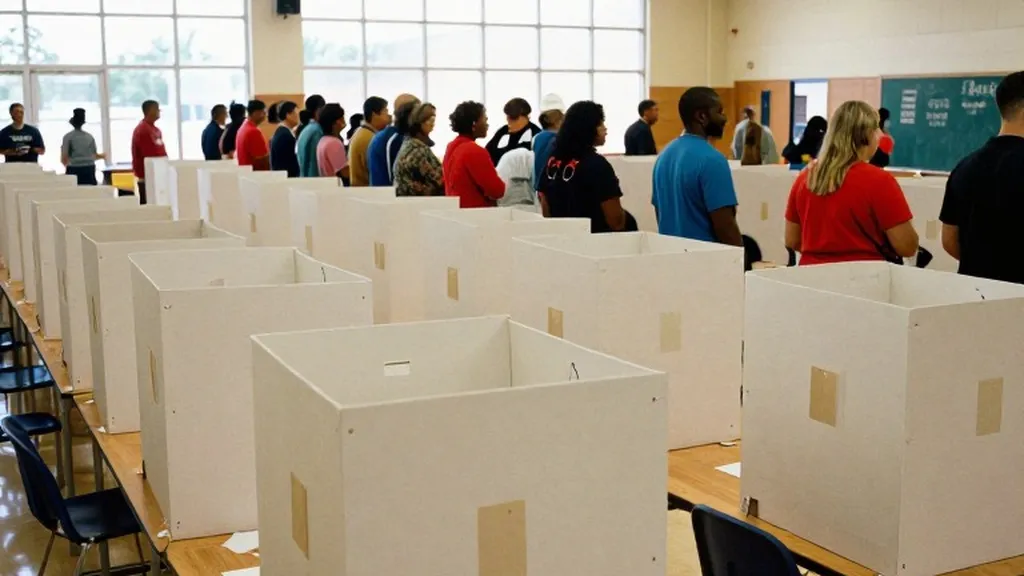
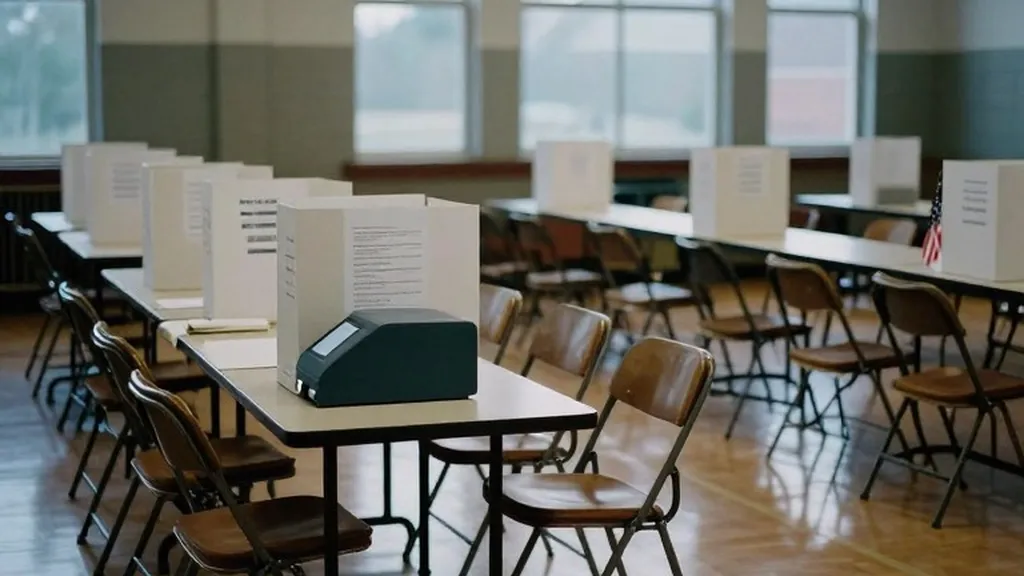
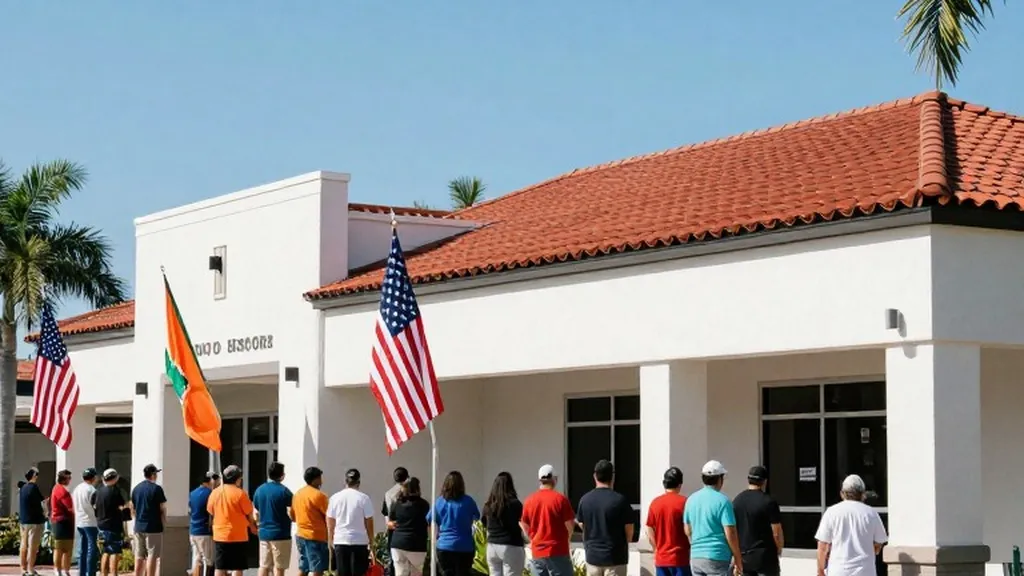
Voters in Palm Harbor, Clearwater, Largo, and Pinellas Park began casting their ballots today at 7 a.m. in a midterm election that will define the balance of power in Washington for the next two years. According to Ballotpedia, Florida polls remain open until 7 p.m., with the state divided between Eastern and Central time zones. Residents are deciding the fate of every U.S. House seat in the state, a governor's race, and various state and local offices. The day marks the midpoint of President Donald Trump's second term, with the results determining which party holds the majority in Congress during his final two years in office.
The local ballot in Pinellas County includes a special election for the U.S. Senate seat held by incumbent Ashley Moody, along with a contest for the governorship where no incumbent is running. Ballotpedia notes that the parties on the ballot for governor include the Democratic, Libertarian, No Party Affiliation, and Republican parties. Voters are also weighing three statewide ballot measures, including proposals to increase the budget stabilization fund and modify property tax exemptions for agricultural equipment and homesteads. These measures reflect broader state priorities as voters engage in the general election cycle that began with primaries in August 2026.
A defining feature of this election is the implementation of new congressional maps in six states, including Florida, following mid-decade redistricting. Ballotpedia identifies Florida as one of the states using new district lines alongside California, Missouri, North Carolina, Tennessee, and Texas, with Ohio also adopting a new map. This shift may alter the traditional voting patterns in districts across the state, as Republicans previously attempted to counter the typical midterm loss of seats for a president's party through redistricting. However, political analysts suggest that the new districts in Florida may not vote exactly as drawn, adding uncertainty to the local races in the Tampa Bay area.
Nationally, the stakes for the U.S. House are centered on a narrow margin. Republicans currently hold 218 seats, while Democrats hold 214, with one independent and some vacancies. According to Ballotpedia, Democrats need a net gain of three districts to secure a majority, while Republicans can afford to lose no more than two seats. The Associated Press reports that 60 House incumbents are not running again, including 37 Republicans and 23 Democrats. Ballotpedia counts 46 battleground districts, with 25 held by Democrats and 21 by Republicans. Notably, 21 of the Democratic-held districts voted for Trump in 2024, while nine Republican-held districts supported Kamala Harris, indicating a complex landscape for candidates in these areas.
The Senate race involves 35 seats, including 33 regular elections and two special elections for the remaining terms of Marco Rubio in Florida and JD Vance in Ohio. Republicans hold 53 seats, Democrats hold 45, and two independents caucus with Democrats. Democrats require a net gain of four seats for a majority, while Republicans can lose only two to maintain control. The Associated Press identifies 13 Senate races as battlegrounds, with Maine rated as a toss-up by all four major polling organizations. Other competitive states include Iowa, Kansas, Alaska, Michigan, and Georgia, where economic strain and tariffs have made the races more competitive according to the AP.
The mood among voters is described by the Associated Press as a referendum on Trump's second term, with many citizens struggling with high prices and expressing anger over an unpopular war with Iran. AP-NORC polling shows that only 35% of U.S. adults approve of Trump's job performance, while 25% approve of his handling of the economy. About seven in 10 Americans say the country is heading in the wrong direction, and most blame the president for rising costs. More than 57 million people had already voted as of Monday, surpassing the early vote totals from four years ago in many closely watched states, suggesting high engagement across the nation.
Campaign finance plays a significant role in this election, which is likely to be the most expensive in history. Republican committees outraised and outspent Democratic committees at the committee level, aided by Trump-affiliated groups and Elon Musk. However, at the candidate level, Democrats outraised their opponents. An AP analysis of AdImpact data reveals that 88.1% of Republican general election TV ad spending went to states and districts Trump won in 2024, including more than $850 million in areas where he won by 10 points or more. This spending pattern highlights the strategic focus on consolidating support in Republican-leaning areas while defending vulnerable seats.
Election administration has faced legal challenges, with a federal judge temporarily barring the Trump administration from executing a plan to prevent noncitizen voting on Monday. Critics argue that the move risks disenfranchising eligible voters and infringes on state authority over elections. The U.S. Postal Service has added hours, staff, and special lines to ensure mail ballots are counted on time. Wall Street is watching the results closely, as Reuters notes that control of Congress could influence investor concerns regarding AI spending and debt ceiling negotiations.
In the governor's race, Democrats hope to hold a majority of governorships for the first time in two decades. Republicans currently hold 26 governor's offices, while Democrats hold 24, with each party holding 18 of the offices on the ballot this year. Nineteen of the governor's races have no incumbent on the ballot, with 15 governors term-limited and several others choosing not to run. The AP calls Florida, Texas, and Iowa competitive governor races. In Florida, the open seat for governor is a key part of the state's ballot, with candidates from four parties vying for the position in a race that could impact statewide policy and local governance in Pinellas County.