Midterms Test Trust in Elections
Polls show a likely Democratic House gain, but internal party divisions and questions about election integrity cloud the path forward.
By Amelia Foster ·
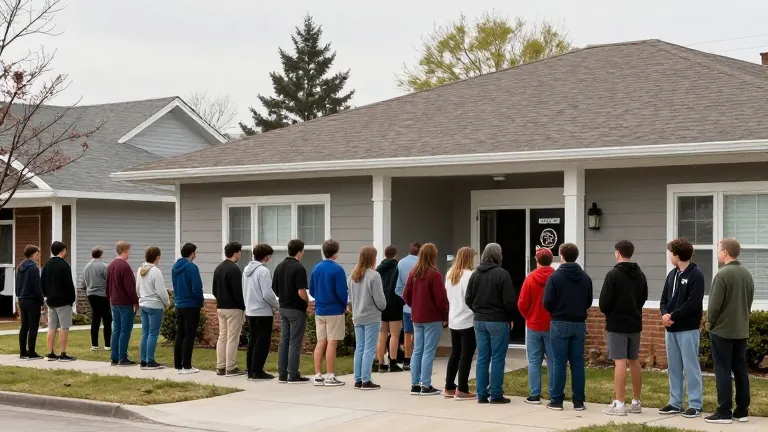
American voters head into Tuesday’s midterm elections with a mix of anticipation and anxiety. The results will determine the balance of power in Congress and test the confidence of the public in the electoral process. Millions of citizens are watching to see if the political direction of the nation shifts away from the current administration.
President Donald Trump, who refers to his loyal supporters as his base, faces a challenging environment. Historical patterns suggest that the party of the incumbent president typically loses seats in midterm elections. Recent polling data supports this expectation, indicating that the Republican Party may lose its slim majority in the House of Representatives. In the Senate, the race is close enough that Vice President JD Vance’s tie-breaking vote could determine the final outcome.
Trump’s campaign strategy in the final weekend focused on defending the Senate. He traveled to Iowa and Kansas, states where Republicans have historically held strong ground. He also held remote rallies in 19 other states. This approach suggests a strategy to limit losses in areas where the party is vulnerable. In Iowa, Trump previously won 31 counties that had voted for Barack Obama. In Kansas, no Democrat has won a Senate seat since 1932.
The president’s personal brand is central to this election cycle. He has positioned himself as the central figure of the election, asking voters to treat him as if he is on the ballot. This level of personalization goes beyond typical presidential midterm campaigning. While this approach resonates with his core supporters, it has drawn criticism from the broader electorate. Anti-Trump rallies have adopted the slogan No Kings to oppose what critics view as an overreach of executive power.
Economic concerns are driving voter dissatisfaction. Trump promised to lower prices and tame inflation, but current data shows inflation remains elevated. Gas prices and everyday costs have continued to rise. His average approval rating has fallen from 52 percent in early 2025 to 37 percent now. This drop falls below the 40 percent threshold that has historically signaled poor midterm results for the president’s party.
Democrats face their own challenges if they gain control. Even if they win the House, their majority is expected to be modest. A narrow Senate majority would empower independent members who may defy party leadership. Internal divisions within the Democratic Party persist, particularly between moderate consensus builders and progressive candidates. Some of the party’s nominees are associated with the Democratic Socialists of America, a label that has drawn attention in campaign ads.
Political analyst Ruy Teixeira has outlined questions Democrats must answer if they regain power. He asks whether the party will prioritize the interests of white, non-college educated voters. Teixeira, who has written on the demographics of the American electorate, argues that the party must address the needs of the working class alongside its focus on social and environmental issues. The party has found some unity in opposing energy costs, grocery prices, and the war on Iran.
Beyond partisan struggles, the election tests public faith in the voting system itself. Nonpartisan experts generally support the current state of election administration. Since the Help America Vote Act was passed in 2002, states have replaced punch-card ballots with touch-screen technology and paper trails. These changes have improved security and voter confidence. However, the current administration has repeatedly questioned the accuracy of polls and news reports, a practice that began during the 2016 campaign and continued after the 2020 election.
The stress of the election will likely extend beyond election night. While there is always tension on the day of the vote, the greater uncertainty may come in the days and weeks following the results. The outcome will determine which party controls Congress and how the next phase of American political life unfolds. Voters are left to decide if the will of the people will be clear and if the democratic experiment can withstand these pressures.
Source: KYPX