Data center governors drive AI stock split
Texas and Ohio results spook smaller computing firms while giants rise on spending discipline.
By Amelia Foster ·
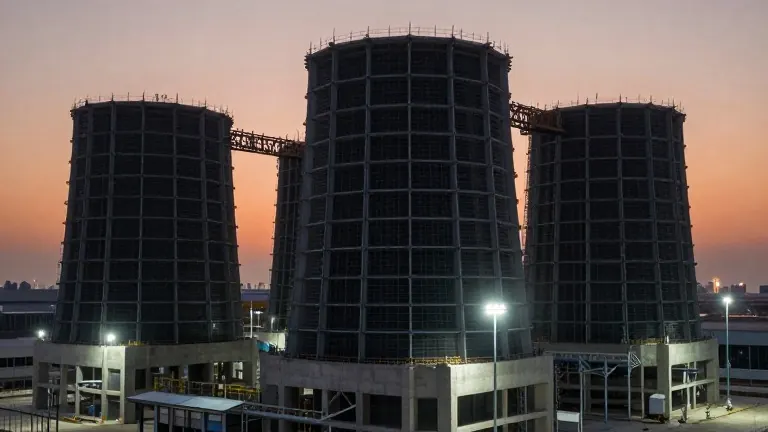
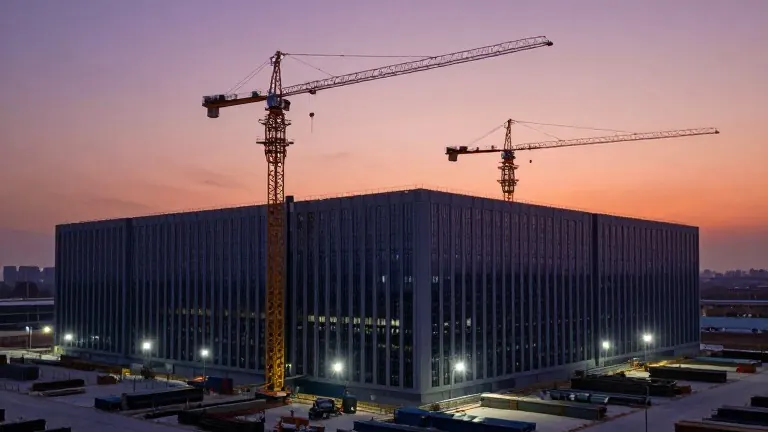
Democratic wins in key data center states created a rift in the artificial intelligence market on Wednesday. Investors moved quickly to price in the risk that new local and state restrictions will slow the pace of construction across the United States. This political shift forced a re-evaluation of the sector's growth trajectory, separating large cloud providers from smaller competitors.
The election results gave Democratic candidates control of governorships in Texas and Ohio. Bernstein analysts estimate Texas accounts for roughly 25% of current data center construction. Voters in various communities also approved local measures that limit such projects. Democrats now hold both chambers of Congress, adding another layer of regulatory potential to the sector.
Large cloud computing firms saw their shares rise as the market interpreted the results as a signal for spending restraint. Amazon stock increased by 7%, while Microsoft climbed more than 6%. Alphabet gained nearly 4%. CNBC’s Jim Cramer described these firms as incumbents with existing infrastructure. He noted that the market views a moderation in their future capital expenditures as a positive move for cash flow.
Smaller upstart providers, often called neoclouds, suffered steep declines. CoreWeave shares dropped almost 10%, Iren fell 11%, and Nebius slid about 6.5%. These companies rely heavily on debt to fund expansion and hold weaker balance sheets than the giants. Cramer compared their funding challenges to those faced by natural gas pipelines during the previous administration. He stated that neoclouds are least likely to secure marginal capital in this new environment.
Suppliers of AI infrastructure equipment also saw prices fall as investors anticipated fewer orders. Eaton shares fell 9%, wiping out gains from its Tuesday earnings report. GE Vernova dropped 10% despite strong third-quarter results and a growing backlog of gas turbines. Both companies traded well below their year-to-date peaks.
Semiconductor stocks faced pressure from the same concerns. Marvell declined 8% and Arm fell 5%. Micron and Intel dropped 5.5% and 3% respectively. Nvidia, the world's most valuable chipmaker, lost 1%. Qnity Electronics was slightly lower despite a strong earnings beat earlier in the day. Cramer recommended buying Qnity, suggesting the data center trade is not dead.
Apple shares jumped 6% as a counterpoint to the AI-driven margin pressure. The company has faced rising DRAM memory costs that forced price hikes on some products. Cramer suggested that if memory price increases taper, Apple could see relief. He characterized recent sellers of the stock as being wrong in their assessment.
Source: CNBC
More Business · National news · Bad Service · Report a business · Got a Story?