EU Chief: Lavrov's G20 Stance Shows No Will for Peace
Kaja Kallas says Russia’s actions contradict its words, citing three months of record civilian deaths.
By Amelia Foster ·
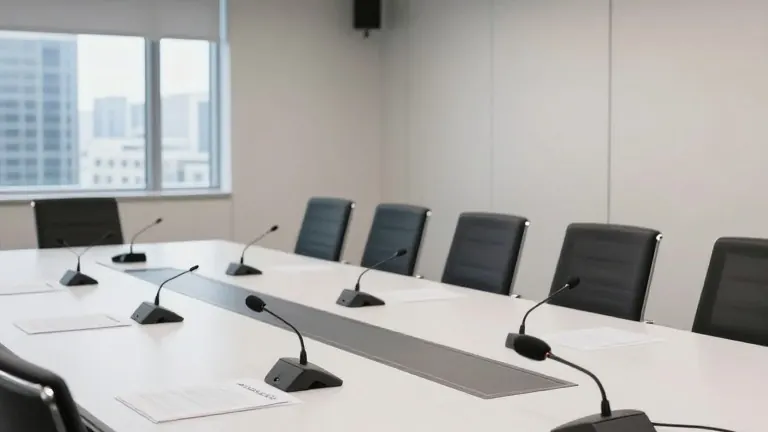
Kaja Kallas, the EU High Representative for Foreign Affairs and Security Policy, stated on Friday that Russian Foreign Minister Sergei Lavrov displayed no willingness to make peace during the G20 foreign ministers' meeting in the United States. Kallas addressed the news media to assess Lavrov's performance at the ministerial level gathering.
When asked if Lavrov signaled a readiness to make concessions to end the war, Kallas answered that he did not. She observed that July, August, and September marked the deadliest months for civilians in Ukraine. Kallas argued that Russian actions tell a different story than its official claims, requiring Moscow to prove its desire to negotiate through concrete steps rather than verbal promises.
The EU diplomat criticized the content of Lavrov's remarks, noting that he presented false information about the conflict in Ukraine. Kallas said, "Of course, he put forward a lot of lies and many false claims, which we were also able to refute afterwards." She maintained that the EU must continue applying pressure on Russia, specifically to secure a ceasefire in the Black Sea.
The absence of the traditional group photo at the meeting drew attention. When a reporter asked why the standard family photo was skipped, Kallas replied, "We must not normalise war crimes around this table." The Associated Press reported that the United States cancelled plans for a joint photo after several European diplomats refused to pose with Lavrov.
Lavrov arrived in the United States on October 30 to participate in the G20 ministerial meeting. Polish Foreign Minister Radosław Sikorski stated he intended to pass a message to Lavrov urging Russia to end its war against Ukraine. The ministerial session took place in Atlanta ahead of the summit.
The United States has invited Russian President Vladimir Putin to the December G20 summit in Miami. The invitation opens the possibility for a meeting between Putin and US President Donald Trump. The diplomatic friction at the ministerial level sets the stage for these upcoming interactions between the two leaders.
Source: Ukrainska Pravda