Midterm 2026: Senate math shapes the new congressional dynamic
Democrats are projected to win the House and likely the Senate, but short of 60 seats, their ability to override presidential vetoes remains limited.
By George Parker ·
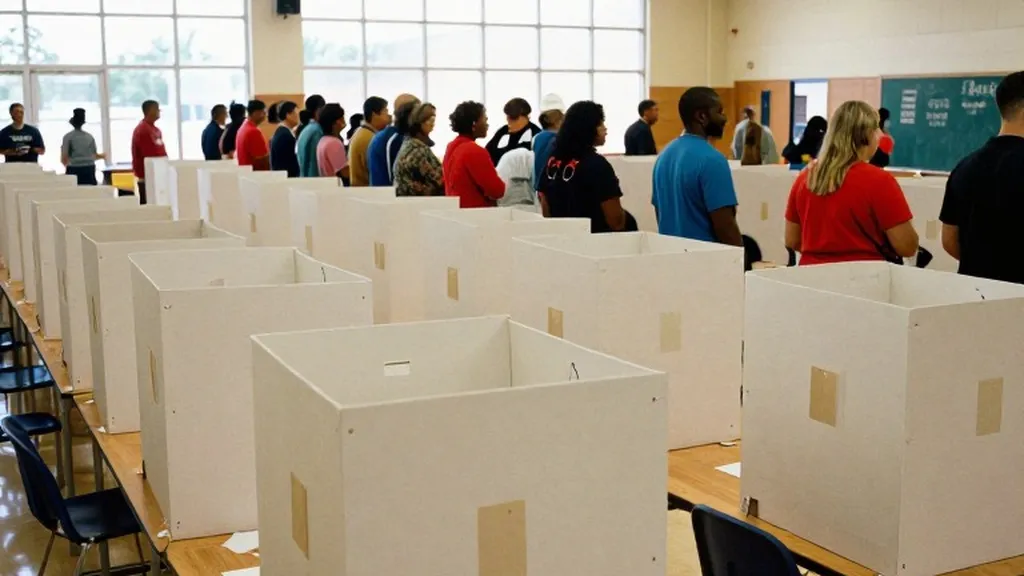
Early voting records have set a new benchmark for non-presidential cycles in the United States.
56 million Americans cast ballots ahead of the November 3, 2026, midterm elections. This turnout exceeds typical figures for off-year contests and signals high voter engagement. President Donald Trump’s approval rating sits lower than that of his three immediate predecessors during their respective first midterm seasons. Polling data and Republican analyst predictions converge on a single outcome: Democrats will reclaim the House and likely take the Senate. They may also secure the most governorships across the 50 states.
The composition of the new Senate dictates its legislative strategy. Democrats will not hold the 60 seats required to override a presidential veto or convict in an impeachment trial. They currently hold 47 seats and must flip four Republican seats to gain control. Texas, Maine, North Carolina, and Alaska appear as the most probable battlegrounds, with Iowa and Ohio also closely contested. Without a supermajority, the chamber’s primary tool is procedural power rather than direct reversal of policy. Rina Shah, a former Republican congressional adviser, described the strategy as refusal rather than reversal.
The Senate majority controls the legislative calendar, committee gavels, and confirmation processes. This structural advantage allows liberal senators to block conservative judicial appointments and slow-walk ambassador or national security nominees. Oversight hearings with subpoena power provide another mechanism for scrutiny. Appropriations bills and the National Defense Authorization Act offer leverage to place conditions on arms sales, troop deployments, and war powers. Trump is expected to veto most bills he opposes, but he cannot easily veto must-pass legislation like government funding or defense authorization without risking a shutdown or a lapse in military funding.
Negotiation remains essential for any major legislative victory. Jennifer Hendrixson White, a visiting scholar at the Carnegie Endowment for International Peace, noted that Senate Republicans may show more willingness to challenge the president now that their terms extend beyond his remaining time in office. Framing debates around traditional Article One responsibilities could convince some GOP senators to cross the aisle. The 120th Congress will be sworn in on January 3, 2027. This timing aligns with the start of the 2028 presidential exploration process, forcing candidates to focus on affordability, gas prices, and grocery costs immediately.
The issue of US support for Israel will test the new leadership. David McCuan, a political science professor at Sonoma State University, predicted a push to conditionalize military aid to Israel. This debate will likely overshadow other foreign policy discussions. Wajahat Ali, a columnist and author, argued that the issue serves as a litmus test for Democratic ambition. He criticized current party leadership for taking money from AIPAC and holding secret meetings with Jared Kushner. Ali described the anticipated shift as a rental from MAGA rather than a realignment toward Democrats. Critics will demand investigations into Trump’s financial dealings, including a plane gift from Qatar and his connection to Jeffrey Epstein, though McCuan expects a forward-facing agenda to dominate the legislative calendar.
Source: Middle East Eye