Midterm Candidates Swap Ties for Cowboy Boots and Flag Pumps
From Alaska to Texas, congressional hopefuls are using specific fashion choices to signal authenticity to voters in the 2026 election cycle.
By George Parker ·
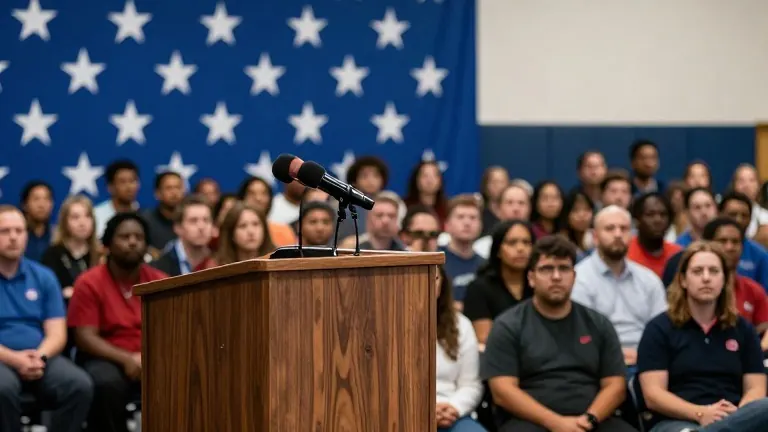
For voters deciding who to elect to Congress this week, the message often begins with what the candidate is wearing. Politicians are curating their wardrobes to appear capable of holding office while simultaneously looking connected to the communities they represent. This visual strategy has become a primary tool for projecting authenticity in the digital age.
Democratic Representative Marie Gluesenkamp Perez of Washington state leans into a rugged, outdoor aesthetic. A former car repair shop owner, she typically wears flannel shirts, work jackets, and practical footwear. Robert Ordway, a former Capitol Hill Clothiers owner, notes that her style aligns with the Pacific Northwest environment and signals a connection to the working class. In Alaska, Democratic Senate candidate Mary Peltola adopts a similar rugged approach, often wearing indigenous-inspired details and puffer jackets that reference her background on the Kuskokwim River.
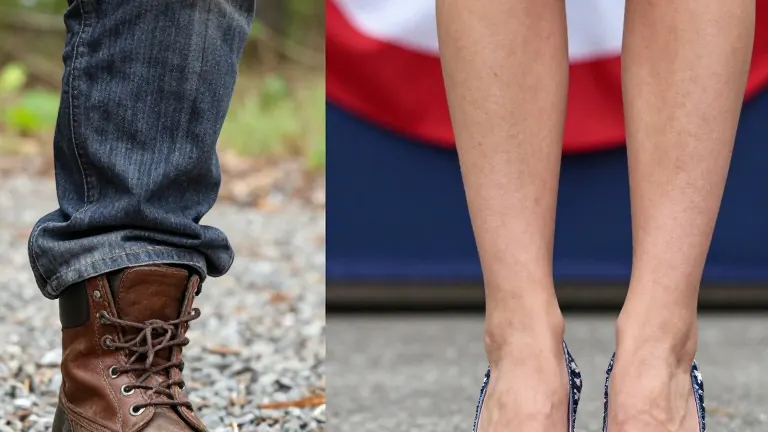
Republican Senate candidate Ashley Hinson of Iowa has adopted a bold patriotic look. At a primary party in June, she wore pumps decorated with a bedazzled American flag. Her wardrobe also includes denim dresses and red bandanas. Bonnie Kristian, a conservative author, describes this as a visual identity designed to be instantly recognizable on social media. Hinson uses these choices to signal loyalty to rural voters while attempting to distance herself from specific policy decisions made by the Trump administration.
In Texas, a battleground state, both Republican Ken Paxton and Democrat James Talarico have abandoned the traditional necktie. Talarico wears handcrafted Lucchese cowboy boots, a choice Friedman identifies as a deliberate signal that crosses party lines in Texas culture. Paxton, however, has faced criticism for his attire. Trump urged voters to focus on Paxton’s record because it speaks louder than his suit. Paxton also drew scrutiny for wearing a luxury watch and a polo shirt from the Four Seasons hotel chain during a debate, a look stylist Joe Zee argues can complicate a candidate’s message about affordability.
Some candidates have settled on personal uniforms to build recognition. Senator Marsha Blackburn, running for governor in Tennessee, consistently wears structured jackets, skirts, and pearls. Her look is described as timeless and polished. In Michigan, Democratic Senate candidate Abdul El-Sayed wears a consistent outfit of black V-neck T-shirts and blue jeans. He calls this a minimal look for maximal politics, a style meant to resemble a startup entrepreneur and appeal to an urban electorate.
Fashion critic Friedman notes that Donald Trump has established the current visual standard in American politics. His navy suit, red tie, and white shirt have become a Pavlovian signifier for his political faction. As social media and television continue to drive political engagement, the premium on clear visual messaging is expected to grow in the lead-up to the 2028 general election.
Source: BBC News