Palm Harbor voters weigh state and national stakes on Election Day
Residents in Palm Harbor and surrounding communities are casting ballots in a pivotal midterm cycle that features a new Florida governor and contests for the U.S. House of Representatives.
By George Parker ·
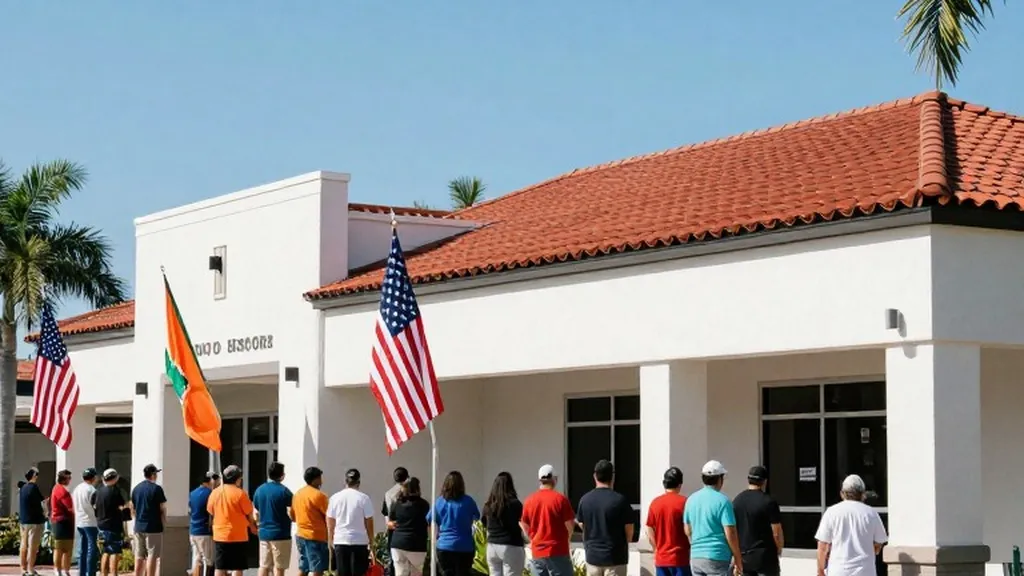
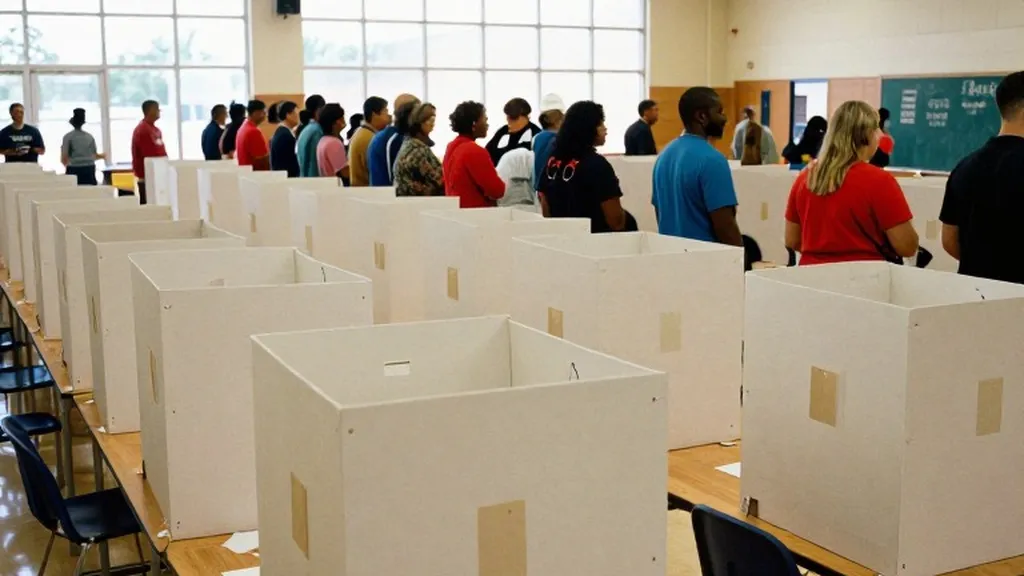
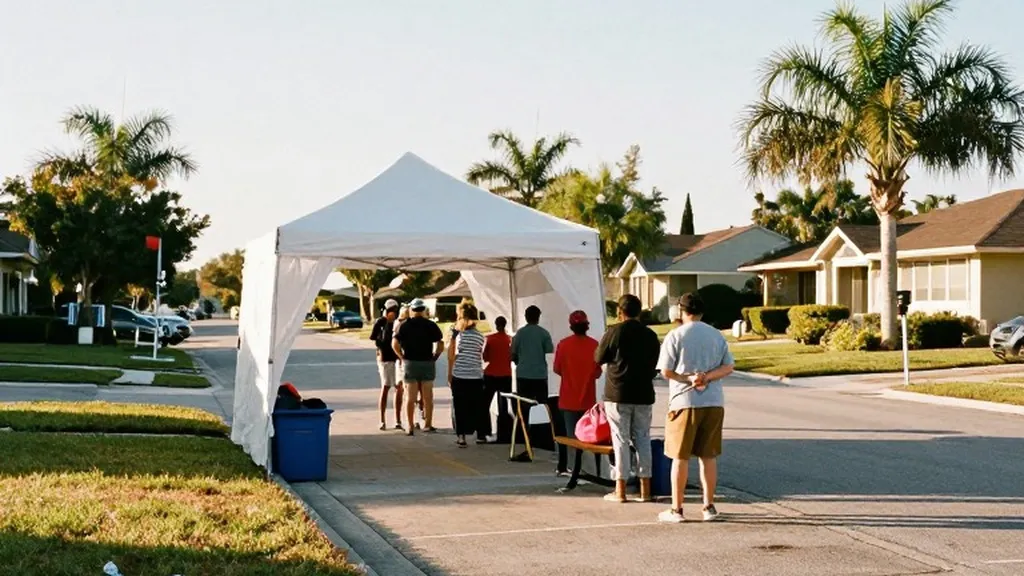
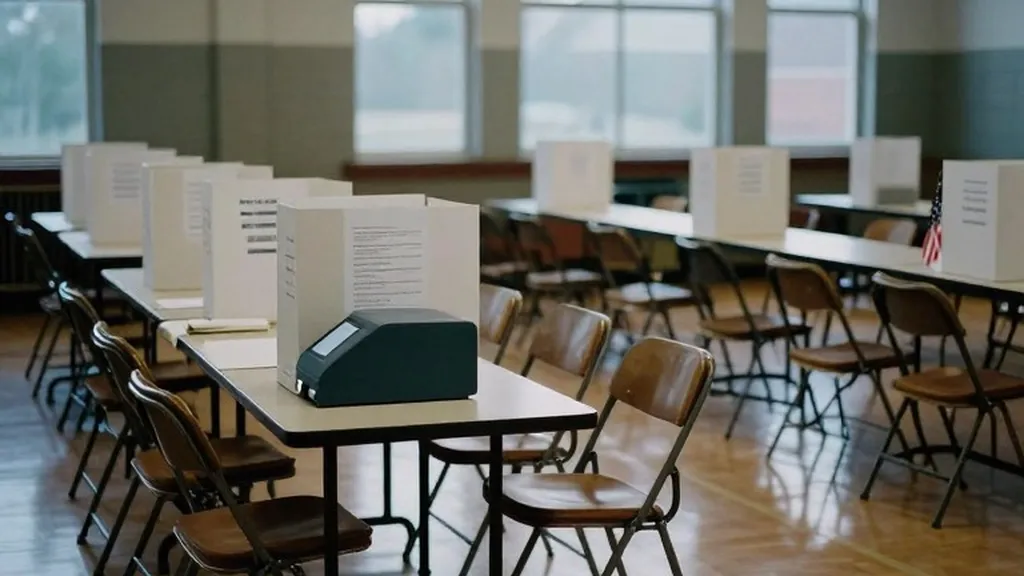
Polls in Palm Harbor, Clearwater, Largo, and Pinellas Park are open from 7 a.m. to 7 p.m. local time on this Tuesday, November 3, 2026. According to Ballotpedia, Florida is divided between the Eastern and Central time zones, which is why the closing time is uniform across the state. Voters in these towns are heading to the polls to decide the state's next governor, an open seat with no incumbent running for the office. The ballot also includes every U.S. House seat in Florida, state and local offices, and specific ballot measures.
Florida voters are selecting a new governor from a field that includes candidates from the Democratic, Libertarian, No Party Affiliation, and Republican parties. While the state has a special U.S. Senate election for the remainder of the term Marco Rubio was elected to in 2022, the primary focus for many locals is the executive branch and the federal legislative race. The Associated Press describes this election as a referendum on President Donald Trump's second term, with voters reportedly struggling with high prices and an unpopular war with Iran.
Nationally, the stakes are high for the control of Congress. All 435 seats in the U.S. House of Representatives are up for grabs. Republicans currently hold 218 seats, while Democrats hold 214, with one independent and some vacancies. Democrats need a net gain of three districts to secure a majority, whereas Republicans can afford to lose no more than two seats. Ballotpedia has identified 46 battleground districts in this race, with 25 currently held by Democrats and 21 by Republicans.
In the U.S. Senate, 35 seats are on the ballot, including 33 regular elections and two special elections for the terms of Marco Rubio and JD Vance. Republicans hold 53 seats and Democrats 45, plus two independents who caucus with Democrats. A net gain of four seats is required for Democrats to take control of the chamber. The Associated Press notes that one or two seats could tip the balance in either chamber, making the outcome highly competitive.
Thirty-six governorships are also up for election this year. Republicans currently hold 26 governor's offices, while Democrats hold 24. Of the races on the ballot, each party holds 18 seats. Nineteen of these races have no incumbent on the ballot due to term limits or decisions not to run. Democrats would need a net gain of two governorships to achieve a nationwide majority, a position Republicans have held since 2010. The Associated Press reports that Democrats hope to hold a majority of governorships for the first time in two decades.
Several key governor races have drawn national attention. In Georgia, Republican health care executive Rick Jackson is facing Democratic former Atlanta Mayor Keisha Lance Bottoms to succeed Brian Kemp. In Nevada, Republican Governor Joe Lombardo is challenging Democratic Attorney General Aaron Ford. In Ohio, Republican Vivek Ramaswamy is running against Democrat Amy Acton, a race marked by an ad controversy involving Acton's estranged mother. The Associated Press also identifies Texas, Florida, and Iowa as competitive governor races.
The mood among voters is shaped by economic concerns and the popularity of the current administration. AP-NORC polling indicates that 35% of U.S. adults approve of Trump's job performance, while only 25% approve of his handling of the economy. About seven in 10 Americans say the country is heading in the wrong direction. Mark Barker, a voter in Palm Beach Gardens, Florida, told the AP that he has been following Trump and believes he is doing an awesome job, while James Moore, a librarian in Raleigh, North Carolina, cited higher taxes and healthcare costs as primary concerns.
Early voting has been robust, with more than 57 million people having already cast ballots as of Monday, surpassing the early vote numbers from four years ago in many closely watched states. The U.S. Postal Service has added hours, staff, and special lines to ensure mail ballots are counted on time. A federal judge temporarily barred the Trump administration from carrying out a plan to prevent noncitizen voting, a move critics argued risked disenfranchising eligible voters.
The 2026 elections are expected to be the most expensive in history. Republican committees have outraised and outspent their Democratic counterparts, aided by Trump-affiliated groups and Elon Musk. However, at the candidate level, Democrats have outraised their opponents. An analysis of AdImpact data shows that 88.1% of Republican general election TV ad spending went to states and districts Trump won in 2024, including more than $850 million in areas where he won by 10 points or more.
Republicans are bracing to lose the House while fighting to hold the Senate. RNC Chairman Joe Gruters stated that everything depends on turnout and that they win if they turn out their voters. DCCC Chair Rep. Suzan DelBene said the American people are angry and want change. If Democrats win even one chamber, investigations and possible impeachment proceedings become likely. House Democratic Leader Hakeem Jeffries would be the first Black speaker of the House and has outlined a 100-day agenda focused on the cost of living and oversight.
Voters in Palm Harbor and across Florida are making their final decisions as the polls close. The results will determine who controls Congress for the president's final two years and who will lead the state government. The Associated Press notes that a strong Democratic night could boost potential 2028 candidates, while Republicans are attempting to beat the typical midterm pattern through redistricting and high turnout efforts.