Trump Conditions State Perks on Republican Midterm Wins
The president has told rally crowds in at least six states that federal aid, veterans' settlements, and energy waivers depend on the GOP holding Congress in November.
By George Parker ·
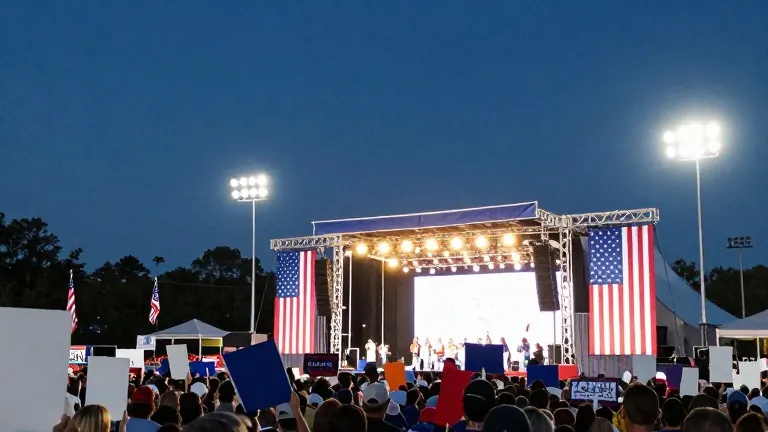
President Donald Trump has told voters in at least six states that specific federal benefits will hinge on the outcome of the November midterm elections. In Greenville, North Carolina, he linked $1 billion in cash settlements for Camp Lejeune veterans to the Republicans keeping control of both chambers of Congress. "If we don’t win, there’s no money," Trump said. "If we do win, you’re getting it."
The pattern began in early 2026 as the administration sought to frame the midterms as a referendum on presidential policy. Trump has used rally appearances in Georgia, Ohio, Kansas, and North Carolina to announce new investments and waivers, then explicitly tied the continuation of those benefits to a Republican victory. In Park City, Kansas, he promised to make year-round sales of E15 ethanol-blended gasoline permanent only if Senator Roger Marshall retained his seat. "But if Adam Hamilton is in, I’m not doing it," he told the crowd.
In Vandalia, Ohio, the president connected disaster relief efforts to personal rapport. He stated that he was less likely to assist Democratic gubernatorial candidate Amy Acton because he did not know her. "I’m not gonna help her probably," Trump said. He contrasted this with his willingness to assist Georgia Senate candidate Mike Collins, whom he encouraged to call him for help.
The strategy has drawn criticism from Democrats in battleground races. Senator Jon Ossoff of Georgia, whom Trump derisively called "Pee-wee Herman" at a rally in Perry, called the approach a losing strategy that insults voters. "It’s a losing strategy for the failed president to insult and threaten voters while he’s in town reminding them he made everything more expensive," Ossoff said.
In North Carolina, the threat to delay veterans' compensation has angered local advocates. Jill Steen Dilgard, who helps represent Camp Lejeune victims, described the comments as "totally unacceptable." "It made me physically sick, and it infuriated me," Steen Dilgard said. "You're playing politics and trying to bribe for a vote."
The White House defended the rhetoric as a necessary step to maintain a legislative majority. Spokesman Davis Ingle said the president is committed to keeping a Republican majority so he "can continue to deliver on his winning, commonsense agenda." Ingle added that Democrats have shown they lack an agenda to improve the lives of the American people.
Republican candidates in affected states have responded cautiously. In Kansas, Senator Roger Marshall’s opponent, Adam Hamilton, avoided direct criticism but noted that Marshall had not passed year-round E15 legislation during his first decade in Congress. "Kansans are tired of our broken politics that treats public service like it’s all about opposing teams," Hamilton’s campaign said.
The next major test of this messaging strategy is scheduled for rallies in the final weeks before the November 3 election. Trump is expected to continue linking specific state benefits to the midterm outcome, focusing on states where the GOP holds narrow majorities or where key Senate seats are competitive.
Source: Stamford Advocate