
Volunteers plant 3,000 shrubs in burned Utah valley
Biologists and local families work to replace habitat lost in a 400-acre wildfire.
By George Parker ·
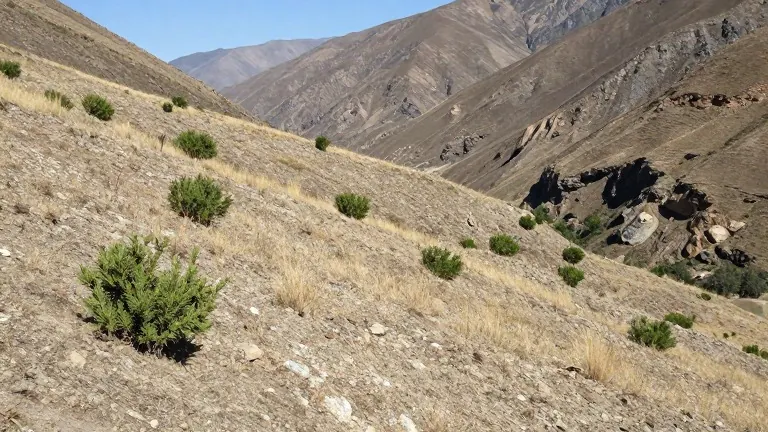
About 400 acres of the Middle Fork Wildlife Management Area in Ogden Valley, Utah, burned during the summer. Biologists and volunteers are now planting native shrubs to replace the habitat lost in the fire.
The Division of Wildlife Resources is leading the effort. The team aims to place roughly 3,000 sagebrush and brittlebush plants in the ground. These plants provide essential feed for local wildlife.
Sarah Kapel, a habitat restoration biologist for the Northern Region of the Division of Wildlife Resources, explained that the project supports the state's goal to grow mule deer populations. She noted that the region has long struggled with non-native grasses. These invasive plants often appear first after a fire, which can continue a cycle of domination over native species.
Jamie Hilton and her children, Crew and Elle, participated in the planting. The family lives in Ogden Valley and watched the fire spread across the mountain. They returned to the site to help put the new plants in the soil.
Jamie said the family loves the valley and wants to teach their children to care for it. She described the effort as a way to take care of their home. The family hopes to see the plants they planted grow and provide food for animals.
Crew, one of the children, explained the logic behind the work. He said that the wildfire killed many sagebrush plants, leaving deer with less to eat. He believed that planting new sagebrush would help keep the deer healthy. Crew said the work made him feel like he was part of a larger effort to help the land.
The planting effort continues as the team works to stabilize the area. The new vegetation is intended to compete with non-native grasses and provide a reliable food source for mule deer and other animals in the valley.
Source: KSTU