Iran warns next war will cost more
Tehran’s military leaders say new weapons and expanded target lists would make a third conflict with Washington and Jerusalem more expensive for the West.
By George Parker ·
Iran’s armed forces stated on Sunday that a renewed all-out war with the United States and Israel would be longer and more costly than their adversaries anticipate. This warning comes as tensions rise ahead of the US midterm elections, with both sides preparing for a potential third major conflict since last June.
President Donald Trump declared on Sunday that the war will end soon, telling Tehran to agree to a deal or face the hammer. Despite this ultimatum, Iranian officials report that the military is ready for an immediate response that could extend beyond the Middle East.
Hossein Kanani Moghaddam, a former senior commander in the Islamic Revolutionary Guard Corps, said the Iranian military is in better operational shape now than during previous clashes. He noted that the target database has expanded and that missile range, accuracy, and warheads have improved. He added that drone capabilities have increased and that new, previously undisclosed weapons would be deployed if Iran is attacked again.
Commanders from the General Staff, the IRGC, and the Iranian Army recently met with Supreme Leader Mojtaba Khamenei to discuss defensive measures. They agreed on a strategy of asymmetric warfare to counter US equipment superiority. IRGC spokesman Hossein Mohebbi confirmed on Sunday that the force is 100 percent ready to confront another attack, aiming for maximum deterrence in the near future.
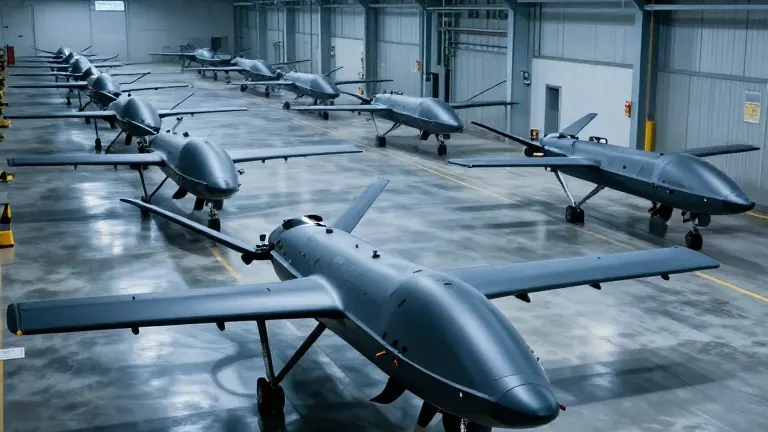
Army spokesman Mohammad Akraminia said that new tactics and renovated weaponry were added during the ceasefire following the June memorandum of understanding. State television showed an underground drone production line last month. Officials displayed an upgraded Arash attack drone, claiming its warhead doubled to 100kg with improved guidance systems.
A Reuters investigation published last week found that Iranian military agencies evaded sanctions to import billions of dollars in supplies. These imports from China, Russia, and Germany between January 2025 and June 2026 included rocket propellants, explosives, titanium, and heavy trucks used as launchers. These materials have helped replenish the IRGC’s arsenal despite earlier strikes.
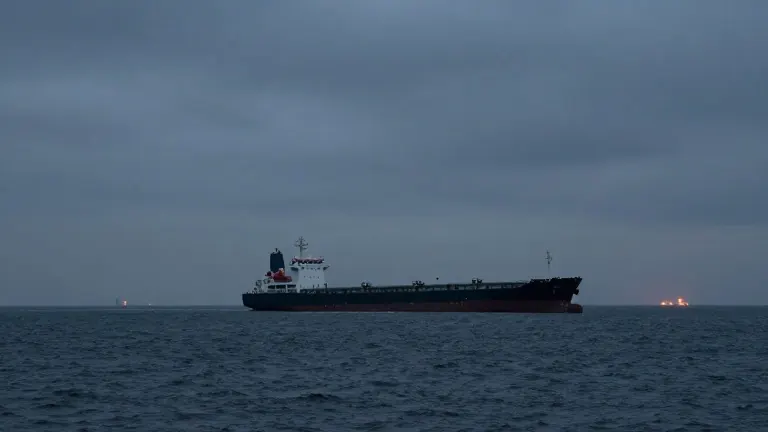
Kanani Moghaddam pointed to the successful targeting of a US-built F-35 fighter and other drones as proof that remaining systems are becoming more accurate. He stated that Iran can easily target supertankers in the Strait of Hormuz. Iranian attacks on US Navy vessels in September caused the US to stop venturing into that critical waterway, though the US maintains a naval blockade on southern Iranian ports.
Domestic vulnerabilities remain a concern for Tehran. The capital and other cities lack adequate shelters or early warning systems to protect civilians. Authorities have not reported progress on promised shelters, leaving the population exposed. Key infrastructure, including the electricity grid, oil and gas facilities, and steel manufacturers, could be hit again in a new phase of the war.
Political and military leadership has faced heavy losses in previous conflicts. The new supreme leader has not been seen or heard from since replacing his father, Ayatollah Ali Khamenei, in early March. This absence has tightened domestic security controls and sparked internal debate over intelligence failures.
State-linked analyst Hamzeh Rahim Safavi criticized the lack of accountability for these intelligence weaknesses on a televised debate. He argued that hardliner calls for a nuclear bomb would not fix the underlying security issues. In contrast, former IRGC commander Esmaeil Kowsari told local media that the US and Israel did not achieve their main goals of overthrowing the government or fragmenting the country.
Source: Al Jazeera